
Earth Day Isn’t Enough
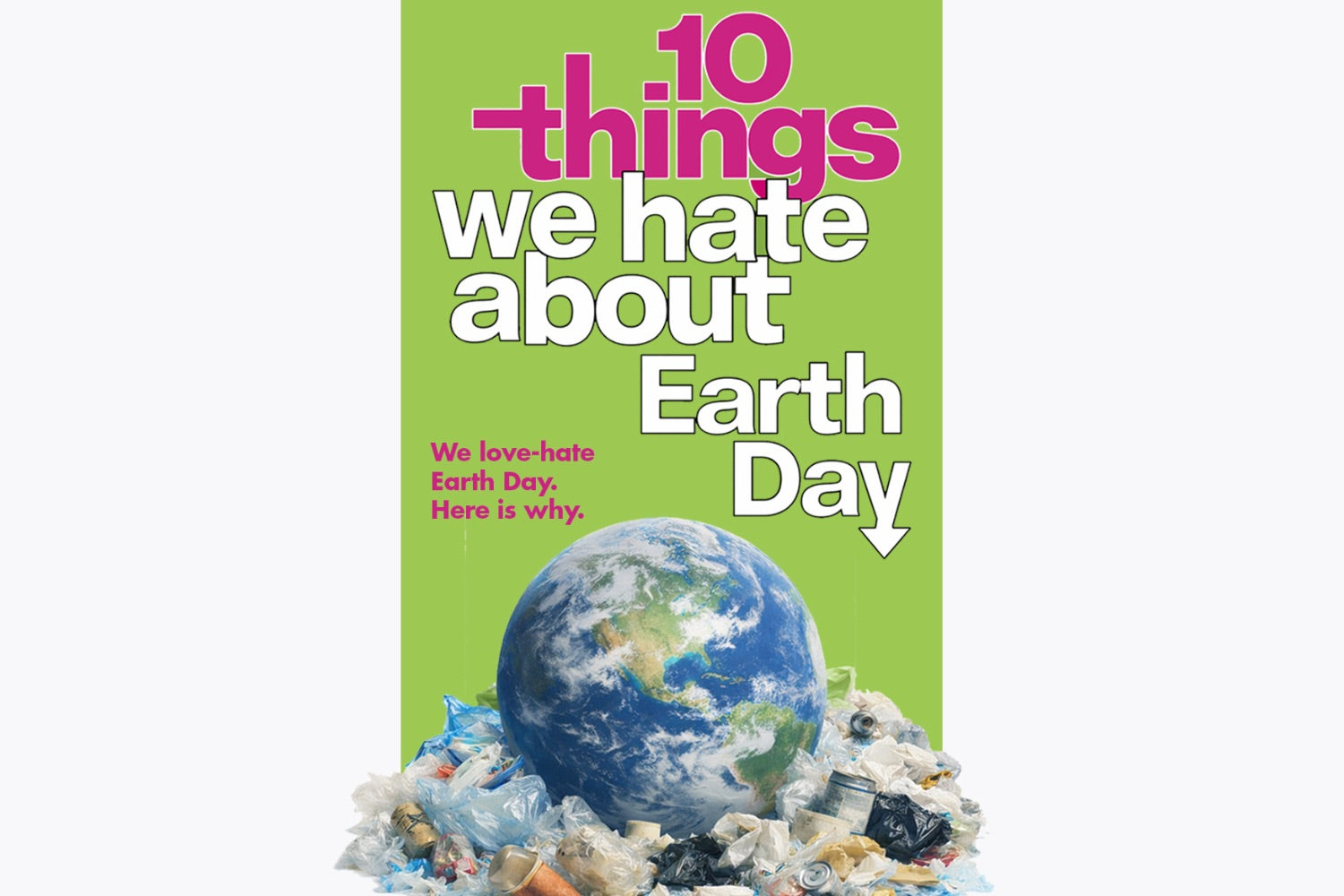
We love Earth Day and we hate it too.
Because something that started as a protest raw, urgent, collective has slowly become something else. Something softer. Something easier to consume.
And maybe that’s the problem.
Earth Day wasn’t meant to be aesthetic. It wasn’t meant to be convenient. It definitely wasn’t meant to fit into a content calendar.
So here we are holding both truths at once. Love and frustration. Hope and anger.
Because caring about the planet should feel personal. And sometimes, that means being uncomfortable.

We hate that it’s only one day
One day, in the whole year. One moment where we pause, post, reflect and then move on. Back to business as usual. Back to consumption without questioning. Back to systems that don’t change.
The planet doesn’t operate in campaigns.
Why do we?
We hate how fast corporations learned to “support” it
Sustainability became a language and then it became a strategy.
Green labels. Earth-toned packaging. Words like conscious, clean, eco-friendly repeated until they lost meaning.
Support, but make it marketable. Care, but make it aesthetic.
The line between intention and performance got blurry. Fast.
We hate that we talk about sustainability more than ever and it’s somehow getting worse
We have more information. More awareness. More access than ever before. And yet more waste. More plastic. More extraction.
Somewhere along the way, conversation replaced action and awareness started to feel like enough.
But it isn’t.

We hate the mood board commitments
Sustainability shouldn’t be a vibe. It shouldn’t be a color palette or a font choice or a once-a-year rebrand.
It’s not about looking green. It’s about doing the work even when it’s not visible, not easy, not immediate.
Because real change doesn’t photograph well.
We hate that environmental justice still has to be explained
Who gets affected first. Who gets affected the most. Who gets ignored.
Environmental issues are never neutral. They are deeply tied to inequality, to geography, to access.
And yet, we still talk about them as if they impact everyone the same way.
They don’t.
We hate that pollution still feels abstract
Something happening “out there.” In oceans we don’t see. In landfills we don’t visit. In systems we don’t question.
But pollution is not abstract. It’s physical. It’s present. It’s personal.
It’s in the air. In the water. In the materials we use every day.
Ignoring it doesn’t make it disappear.
It just makes it easier to continue.

We hate that sustainability has to be a selling point
Doing better shouldn’t be exceptional. It should be the baseline and yet, it’s still framed as a differentiator. A bonus. A reason to choose one product over another.
The real question is: Why isn’t it the standard already?
We hate that the anger from 1970 is still necessary
Earth Day began as a protest, ,millions of people took to the streets demanding clean air, clean water, and accountability.
That anger created change and today that same anger is still relevant. Still needed. Still justified. Because the problem didn’t disappear. It evolved.
We hate that Earth Day ends
That it wraps up. That it closes. That it becomes something we can check off.
Caring about the planet shouldn’t have an end date. It should be embedded. Daily. Ongoing. Unfinished.

We hate that it feels like a holiday
Marked on a calendar. Acknowledged. Celebrated. Then archived. But this isn’t a celebration, it’s a reminder. And reminders aren’t meant to be comfortable.
So… what do we do with all of this?
With the frustration. With the contradiction. With the awareness that something isn’t working the way it should.
We don’t ignore it. We sit with it.
We question more. We demand more from brands, from systems, from ourselves.
Because anger, when it’s rooted in care, can be productive. It can push. It can shift. It can create.
Earth Day was never meant to be soft
It started as a protest. And maybe it still should be.
Not loud for the sake of noise. But intentional. Consistent. Real.
What this means for us
At AORA, we don’t see sustainability as a campaign. Or a launch moment. Or something we “turn on” in April.
We see it as a responsibility one that shows up in decisions that most people don’t see.
In what we choose not to use. In how we design. In what we refuse to compromise.
Because it’s easy to say clean. It’s harder to remove plastic entirely.
Every AORA product is made with one principle in mind:
leave no trace behind.
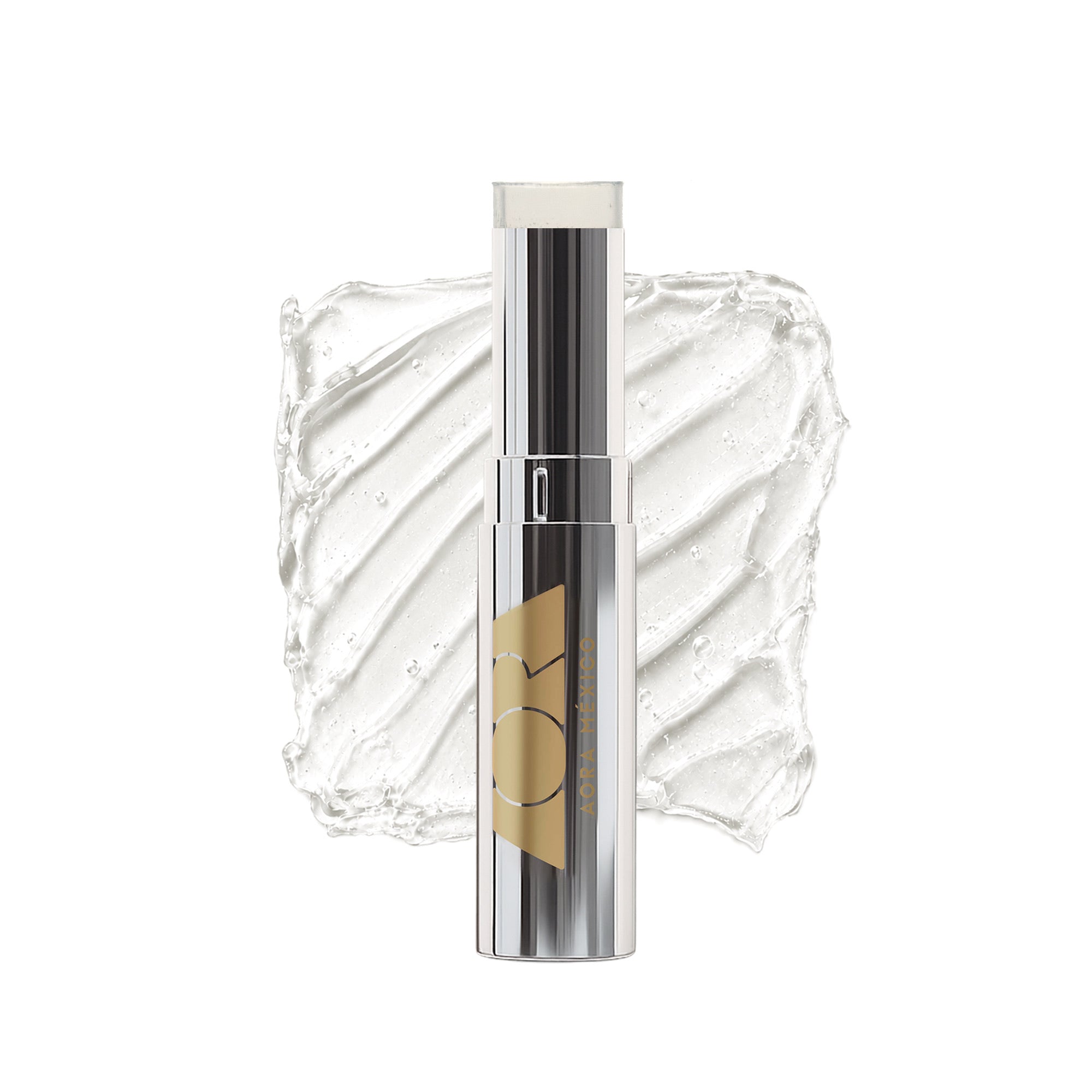
No plastic in our packaging.
No plastic in our formulas.
No plastic in the way we ship.
Instead, we work with materials that are meant to last aluminum, tin, FSC-certified paper. Materials that can be reused, recycled, or returned to the earth without leaving microplastics behind.
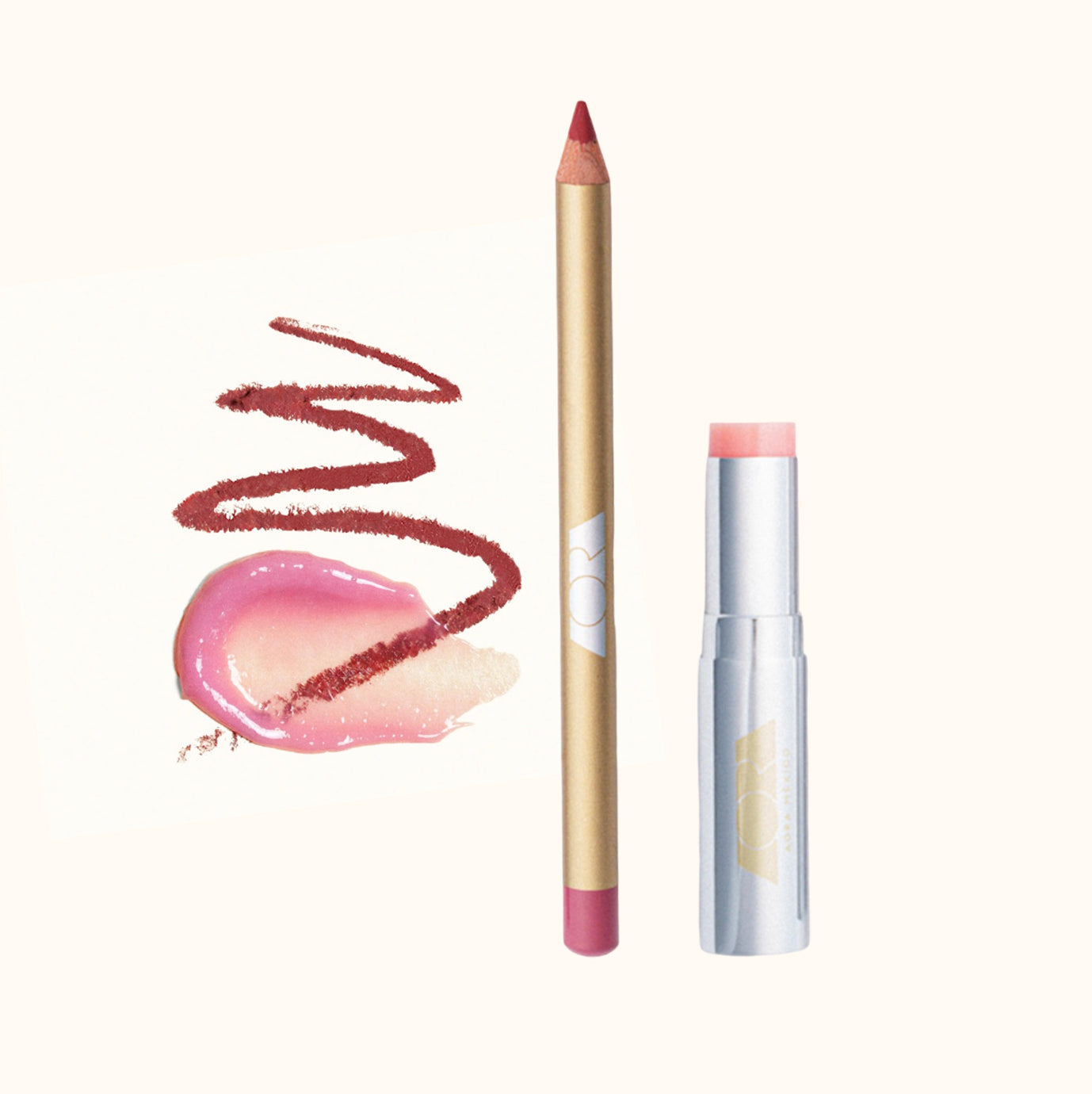
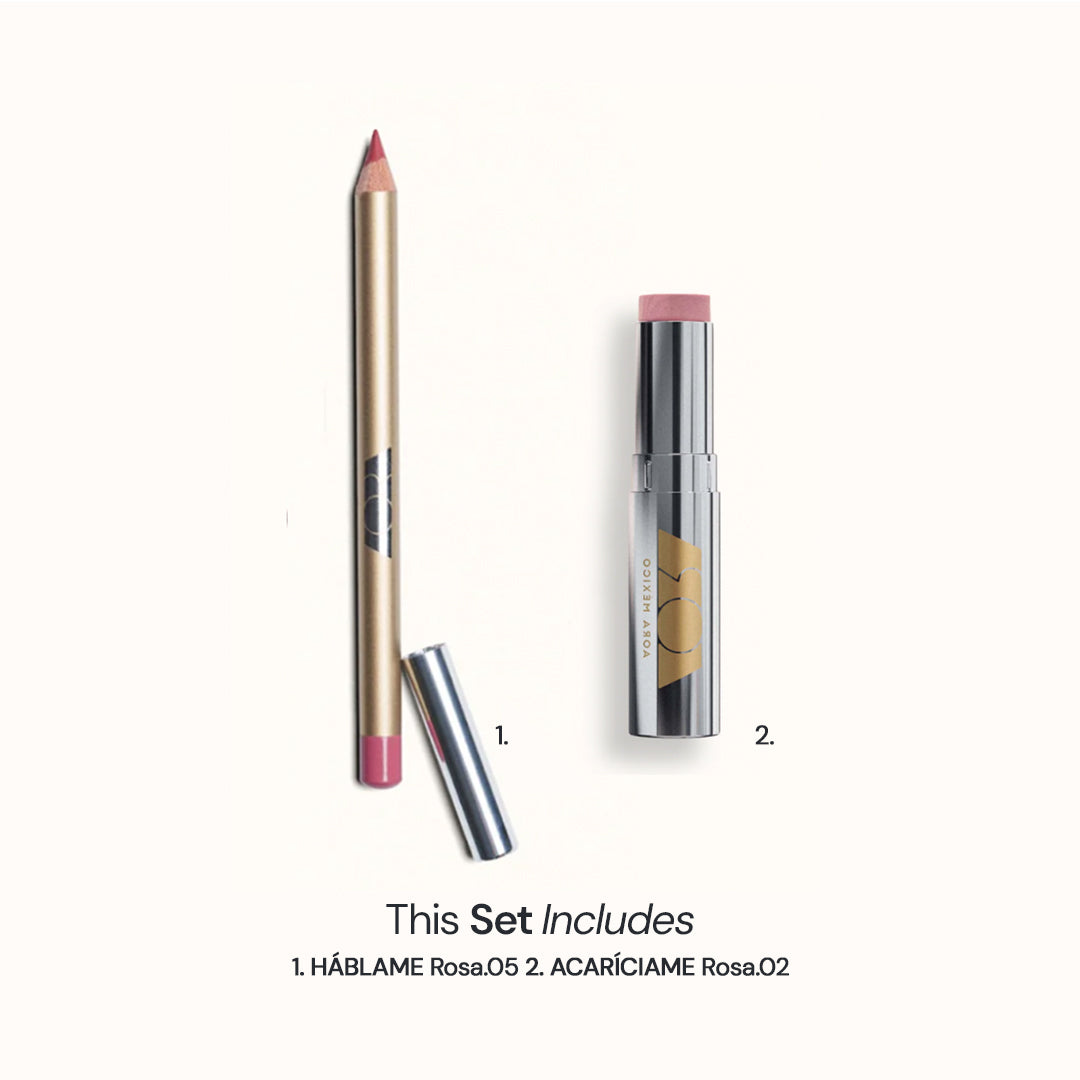
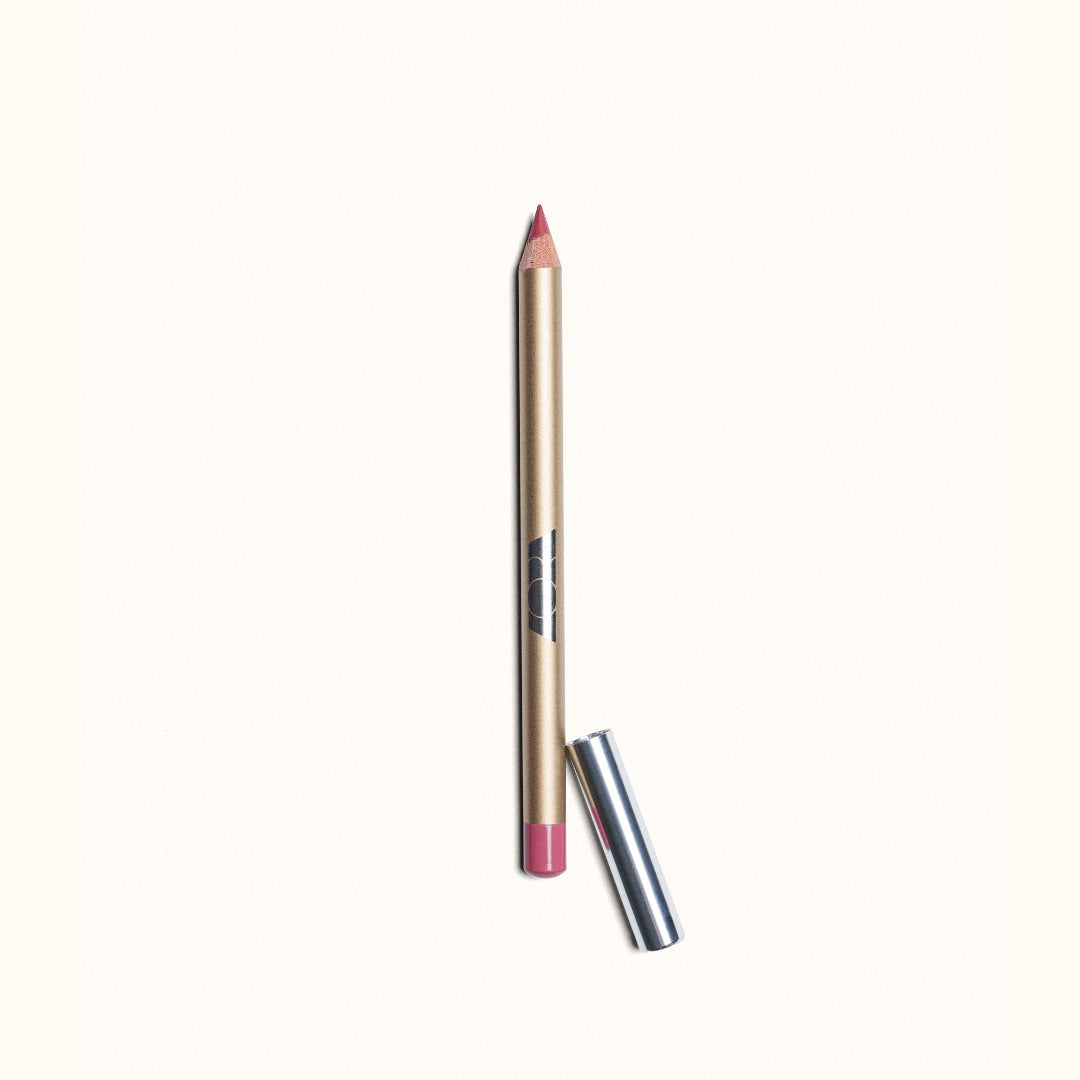
Even in the smallest formats — like an eyeliner — we questioned the default.
Why should something small create permanent waste?
It shouldn’t.
We know one product doesn’t fix everything. We know one brand doesn’t solve a systemic issue.
But we also know this: Change doesn’t happen all at once.
It happens in choices. Repeated. Consistent. Intentional. The kind that don’t always get attention but add up over time.
What are you going to do with your anger?
Keep it. Use it. Let it sharpen your awareness.
Let it guide what you support. What you buy.
What you question. Because the planet doesn’t need another Earth Day post. It needs people who care after the day ends.
Every day, not just one
Earth Day started as a protest. We think it still should be.
Not just in the streets. But in habits. In standards. In expectations.
Because loving the planet isn’t a moment.
It’s a practice. And we’re just getting started.