
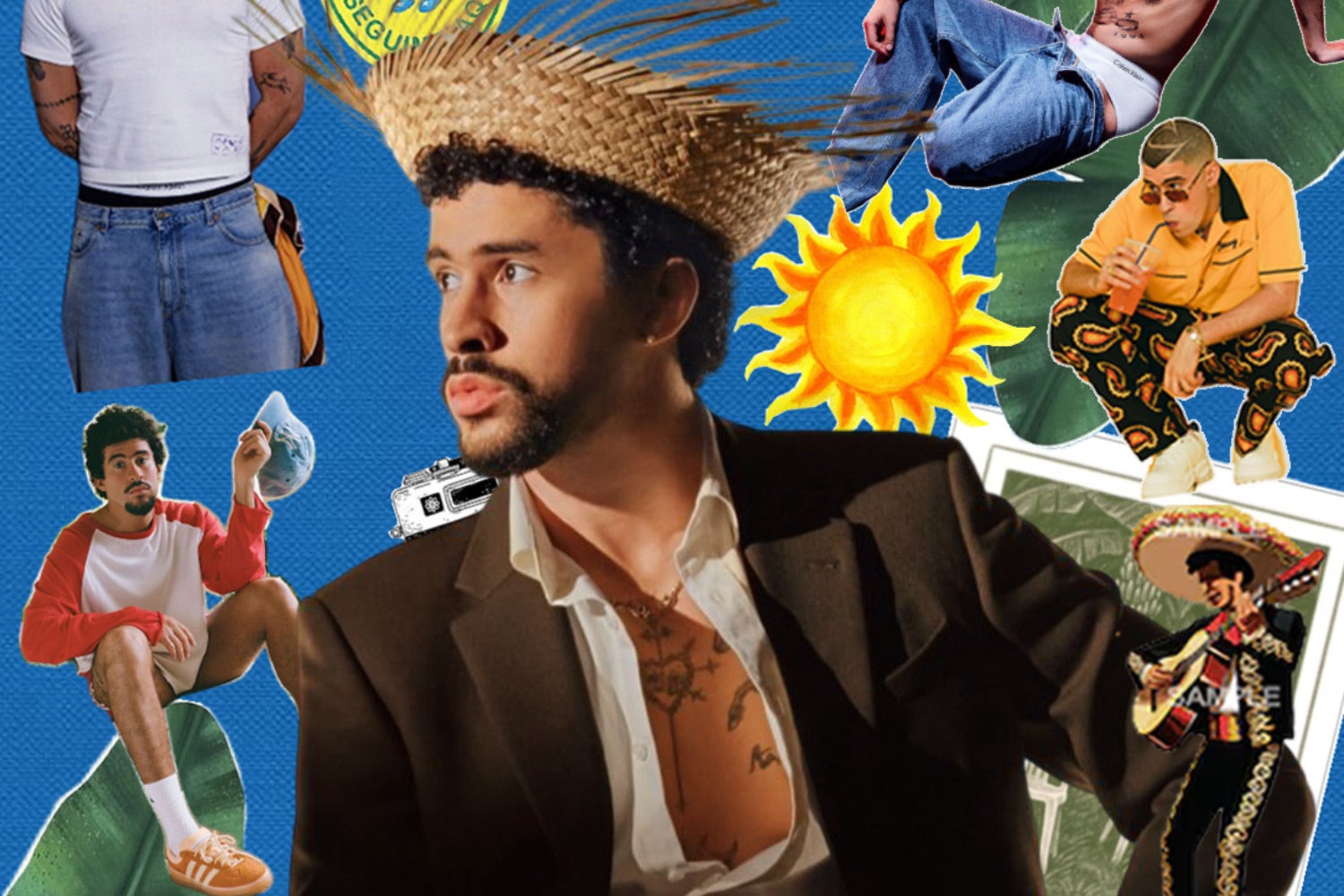
Bad Bunny at the Super Bowl
When Latin culture doesn’t feature. It takes space
This Sunday, the Super Bowl halftime show isn’t featuring Latin culture.
It is Latin culture.
Yes, Bad Bunny is taking the stage.
But this moment isn’t only about one artist, one performance, or one night watched by millions. It’s about something bigger a door finally opening wide enough for an entire culture to walk through without shrinking itself.
This didn’t start today
Latin culture didn’t suddenly arrive.
It was never late. It never needed an invitation.
It’s always been here sometimes with the volume turned down, sometimes asked to adapt, sometimes repackaged to feel “digestible.” But never gone.
From barrios to stadiums, from underground scenes to global charts, Latin culture has been shaping sound, style, and beauty long before the world decided to call it a trend.
This moment doesn’t create that reality.
It acknowledges it.
More than a performance
When Bad Bunny steps onto that stage, what we’re witnessing isn’t just music.
It’s identity in full volume.
Reggaetón. Corridos. Latin pop.
These sounds didn’t go global because they softened themselves. They went global because they refused to disappear.
Today, there’s no need to translate ourselves. No need to explain references, accents, or rhythm. The beat doesn’t ask permission — it lands, it moves, it stays.
And that matters.

Why this moment matters, especially now
Context is everything.
In the current climate, particularly in the United States, visibility is not just celebration — it’s resistance. Being seen is political. Being heard is intentional. Being proud of where you come from is an act of defiance.
This halftime show exists within that reality.
It’s not neutral. And it’s not small.
It says: we’re here, exactly as we are.
No dilution. No translation. No apology.
From sound to style
Music has always shaped how culture shows up visually.
What we wear. How we move. How we do our makeup. How we take up space.
Latin culture doesn’t separate sound from style they evolve together. The rhythm informs the silhouette. The lyrics inform the attitude. The beat becomes posture.
This moment isn’t just audible.
It’s visible.
And beauty plays a role in that visibility.
Beauty as identity
Beauty, in Latin culture, has never been about blending in.
It’s about expression. Presence. Statement.
Bold lips. Sharp liner. Color that doesn’t whisper.
Beauty as language one that doesn’t ask to be toned down to be understood.
When culture is allowed to show up fully, beauty follows. It becomes a tool of recognition, not decoration.
From México, with orgullo
Watching this moment from México feels layered.
There’s pride, yes but also clarity.
Latin culture doesn’t belong to one country, one genre, or one aesthetic. It’s plural. It’s expansive. It travels. It adapts without erasing itself.
From México, with pride.
From Latin America, with strength.
This isn’t about asking for space.
It’s about occupying it.
It’s not representation, it’s recognition
Representation suggests permission.
Recognition acknowledges reality.
This moment doesn’t say “we’re being included.”
It says “we’ve always been here.”
The Super Bowl stage doesn’t validate Latin culture it reflects its impact.
And that shift matters.

What comes after
Moments like this don’t end when the lights go down.
They ripple outward.
They shape how future artists show up. How brands speak. How stories are told. How beauty is framed. How culture is allowed to exist in public spaces.
This isn’t a finish line.
It’s momentum.
Culture at full volume
Culture shouldn’t be diluted to be accepted.
Color shouldn’t be softened to be beautiful.
Identity shouldn’t be edited to be visible.
This moment reminds us of something essential:
When you show up fully, the world doesn’t collapse. It adjusts.
And that’s where real beauty begins.